
7 Common Health Conditions That Pets Experience
Your pet is more than just an animal; it is a companion that sticks with you all the time. These furry adorable creatures are there when you need emotional support, and are more than willing to share happy times with you. At this point, they are already an important part of your life, so much that you can’t imagine living life without them. That said, it makes so much sense to always be on top of their health to increase their lifespan. This is especially important, as several diseases often plague these animals, with some hiding until it’s too late. Taking your pet to the doctor for regular checkups can quickly detect and clear these ailments. That said, here are a few common ones you should look out for and prevent as much as you can.
- Arthritis

This is yet another condition that affects both humans and animals. If you have a middle-aged or older pet, you will want to look out for this condition. This is because the cartilage in the joints begin to lose their functionality as the body ages, and the bones suffer as a result. But this condition is not limited to older animals; younger pets can also develop arthritis. If you notice that your pet is limping, or doesn’t move around as much as it used to, they may be dealing with this condition. One treatment available is a dog arthritis injection. Although arthritis has no cure, NSAIDs, exercise, acupuncture, water therapy, and so on, can help.
- Obesity

It’s pretty common for pet owners to give their friends so much food and treats. Afterall, you want them to feel well cared for and loved, right? Well, your intentions may be noble and commendable, but the action may be killing your beloved animal slowly. This is because overeating can quickly give way to obesity, which is a dangerous condition. And no, it’s not limited to humans alone; pretty much any animal can become bigger than they normally should. The consequences of this condition ranges from discomforting to fatal, so keep this in mind. For instance, your morbidly obese cat or dog may start to struggle with shortness of breath or wheezing, and their chances for developing a heat stroke is pretty high.
Aside from this, they can struggle with diabetes, osteoarthritis, high blood pressure, failing immune system, and increased cancer risks. That being said, you will want to restrict your pets’ food if you notice they are becoming fatter. You can detect this by feeling their tummy area; if they are rounder here, or you can’t feel their ribs and spine, then they are obese. Therefore, make it a point to put them on a diet as soon as possible. While at it, let your veterinarian create an exercise plan to bring them back to the normal weight.
- Leptospirosis
Humans often experience this condition, but your furry friends may struggle with it too. Unfortunately, this was not the case in the past; pets hardly had leptospirosis, but there have been frequent diagnoses and recordings in the past few years. This disease can be quite tricky, so you’ll need your vet’s help on this one. This is because the symptoms vary, and sometimes, your pets may not even show any sign. But, your younger furry friends are likely to suffer from this condition, so keep this in mind.
If you notice that they hardly eat, are sad all the time, or walk stiffly, this may be leptospirosis making itself known. Other signs include vomiting, fever, abdominal pain, diarrhoea, and severe muscle pain. All these can be so uncomfortable and affect your pet’s quality of life, so make it a point to eliminate whatever can cause leptospirosis; this includes sea water, agriculture ponds, soil, and the like. If they are already sick, your vet can run tests and give your pet the needed treatment.
- Diabetes
Diabetes is another disease that your dog or cat may be dealing with. Just like in humans, this condition occurs when they have little to no insulin, or their bodies can’t respond properly to this hormone. Now, it’s important to note that felines and canines can suffer from type 1 diabetes, which happens when the insulin-producing cells in the pancreas are destroyed. On the other hand, only cats can experience type 2 diabetes, which is caused by abnormally high blood sugar. While diabetes is not something you would desire for your pet, the good thing is that you can quickly detect it and start treatment. That said, you need to take them to the vet if they drink more water than usual, urinate excessively, lose weight at an alarming rate, although they eat so much, or have a sweet or fruity breath.
Other symptoms you should look out for are dehydration, cloudy eyes, chronic skin infections, vomiting, lethargy, and urinary tract infections. Unfortunately, diabetes can’t be cured, but with proper management, your pet will live a comfortable and fulfilled life. Your vet can give them regular insulin treatment to control blood glucose. A healthy, low-carb diet and frequent exercise are also lifestyle changes that can keep diabetes at bay, so include them in your pet’s routine.
- Periodontal diseases
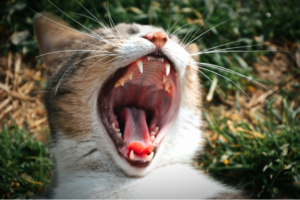
Animals aren’t immune to periodontal conditions, which can be alarming if you have not paid attention to their dental care up until this point. In fact, various studies show that many dogs and cats develop oral diseases by the time they hit three years, which isn’t a promising statistic. But your furry companion will have a higher risk if you don’t clean their teeth frequently. You would notice that they are already developing plaques or tartar on their teeth, which can cause bleeding and bad breath. Aside from this, their teeth can become discoloured or loose, and they may start ro reject food and lose weight because they can’t eat properly. You can be sure that there is a problem if your grown pet who loves dry food starts favouring the wetter kind. If you don’t act immediately, their dental condition can become more serious. Sores, sensitivity to food and drinks, swollen gums, and gingivitis all signal that their oral disease has progressed.
That said, taking them for treatments will be the best idea. After they are treated, it will be best not to wait until there is another disease before you take care of your pet’s teeth. It is important to clean their mouth from time to time; it doesn’t have to be daily though. If you can’t do this task by yourself, you can work with dog teeth cleaning services for a more thorough job. In addition to this, encourage them to chew toys frequently, and be particular about their diets to keep oral diseases at bay.
- Canine influenza
As the name implies, canine influenza affects dogs of all breeds, so you must exercise caution if your pet belongs to this species. The virus is highly contagious, so your dog is at a high risk of getting it from another dog. What’s funny is that, some dogs don’t show any symptoms, so they can be around other canines at the doggy daycare, kennel, or even the park. Canine influenza can either be mild or downright deadly, so you will not want to take any chances. You can look out for symptoms such as fever, sneezing, lethargy, cough, and a thick, nasal discharge. It’s also worth noting that dogs can develop pneumonia, which is highly fatal. Therefore, make it a point to drive your pet to the vet once you spot these symptoms.
Depending on how long the disease has been in their system, the vet can provide antiviral medications, fluids, and cough suppressants. But in the severe cases (when pneumonia develops), antibiotics are the best medication, so feel free to consider this. Limiting your dog’s contact with other canines is a good way to prevent this disease. But if this isn’t possible, you can get them vaccinated, although you should speak to the vet for more counsel.
- Allergies
If your pet is constantly itching, you may be looking at an allergy on full display. However, it’s important to note that there are several types of animal allergies, and treatment will be given based on this. That said, your furry companion may be allergic to the environment, fleas, and food. Although allergies may not be life-threatening like other conditions, it is no less annoying and painful. In a bid to find relief, animals can bite or scratch the affected areas. But this action can also bruise their skin and cause sores that can quickly become infected. If you notice these signs, treatment will be the next line of action; steroids and antihistamines are great drugs for your furry friends, so feel free to leverage them.
Another helpful treatment is hyposensitisation, where your pet will be injected with small allergen doses at regular intervals, until they are no longer allergic. Cleaning your home and outdoor area regularly is also another way to keep allergies at bay, so feel free to consider this. Flea control measures and giving your pet omega-3 supplements will help them out as well.


Leave a Comment